
What is CrossFit?
Constantly varied, functional movement, executed at high intensity.
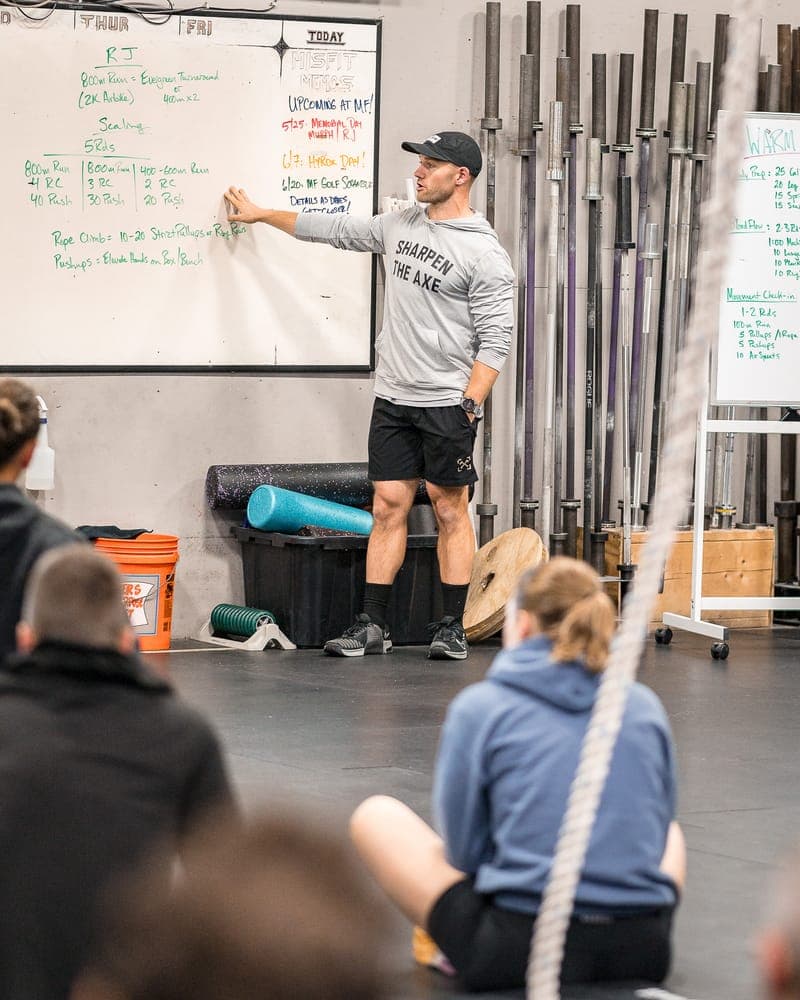
The definition
Constantly varied, functional movement, performed at high intensity
Constantly varied
Varied doesn't mean random. We train a wide range of movements, loads, and durations on purpose, so you build a wide range of physical capabilities. Life doesn't hand you the same workout twice. Neither do we.
Functional movement
Movement patterns that matter in life. A squat is getting off the toilet. A deadlift is picking something (or someone) up off the ground. A burpee is getting yourself off the ground. Compound, whole-body movements that let you move large loads, over long distances, quickly.
High intensity
Intensity is what drives results. And done correctly, it's safe. Plenty of programs avoid it because it's uncomfortable. We don't. But hear this clearly: we will only allow you to go as hard as you can move safely. That rule is non-negotiable.
Mechanics, consistency, intensity
How we make intensity safe
Mechanics. Consistency. Then intensity.
In that strict order. It's a rigid doctrine, and it's how we keep intensity safe.
Mechanics
Learn to do the movements correctly and safely. Positions before everything.
Consistency
Excellent mechanics performed over, and over, and over. Your 100th rep should look as good as your 1st.
Intensity
Only then do we go faster and heavier. And intensity is always relative to your fitness level, not someone else's.
Scaling: elite athletes and grandmas, same class, same time
Scaling is modifying workouts to fit your current fitness and ability level, so you get the right dose of intensity. For you. It's not cheating and it's not making the workout easier. It's personalization, and it's your ticket to endless progress. Members a decade in still scale.
“But what if I don't know how to do something? What if I'm worried about getting hurt?” Don't worry. We account for all of these factors. Every class is coached, every movement has a version for where you are today, and nobody is ever expected to know anything on day one.
For the curious
Four ways CrossFit defines fitness
The Hopper
If you are truly fit, you can handle whatever gets pulled out of the bin.
In its infancy, the CrossFit Games were held on a ranch in California where events were programmed using a hopper: the same thing you would see at a bingo hall, where all of the ping pong balls are pulled from. Movements, rep schemes, and weights went in at random, and a few balls came out to determine a workout.
The idea is simple. If you are truly fit, you are capable of handling any physical task, regardless of what the movements are or how long the workout is. The fittest will always rise to the top as a result of their general physical preparedness.

A CrossFitter's specialty is not specializing. We are the jacks of all trades, and the masters of none.
Hunter Wood, Owner & Head Coach
The 10 General Physical Skills
You are only as fit as you are proficient in each of the ten.
Cardiorespiratory endurance, strength, stamina, flexibility, speed, power, agility, balance, coordination, and accuracy. You are only as fit as you are proficient in each of these skills, which is why a program that builds four of them well is not a fitness program.
They are not all built the same way, and that is the part most people miss.
“You are as fit as you are competent in each of these ten skills, and a regimen develops fitness to the extent that it improves each of these ten skills.”
CrossFit, “What Is Fitness?”
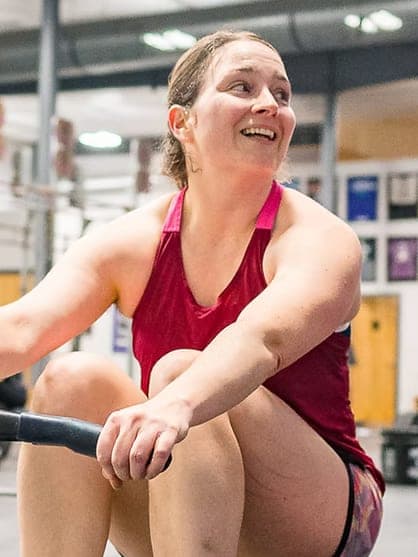
“The ability of the body's systems to gather, process, and deliver oxygen.”
At Misfit: Rowing, running, biking: long enough to matter, varied enough to never get stale.

“The ability of body systems to process, deliver, store, and utilize energy.”
At Misfit: Workouts that teach your engine to keep producing when the tank feels empty.
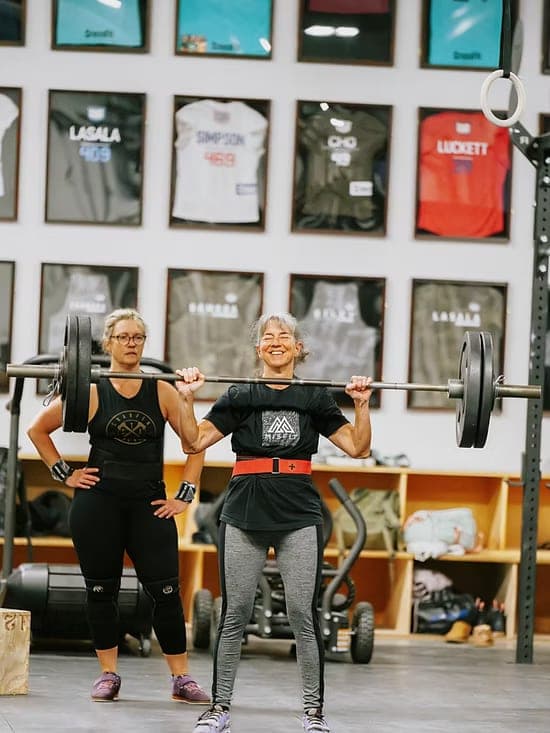
“The ability of a muscular unit, or combination of muscular units, to apply force.”
At Misfit: Squat, deadlift, press: the lifts that make everyday life lighter.
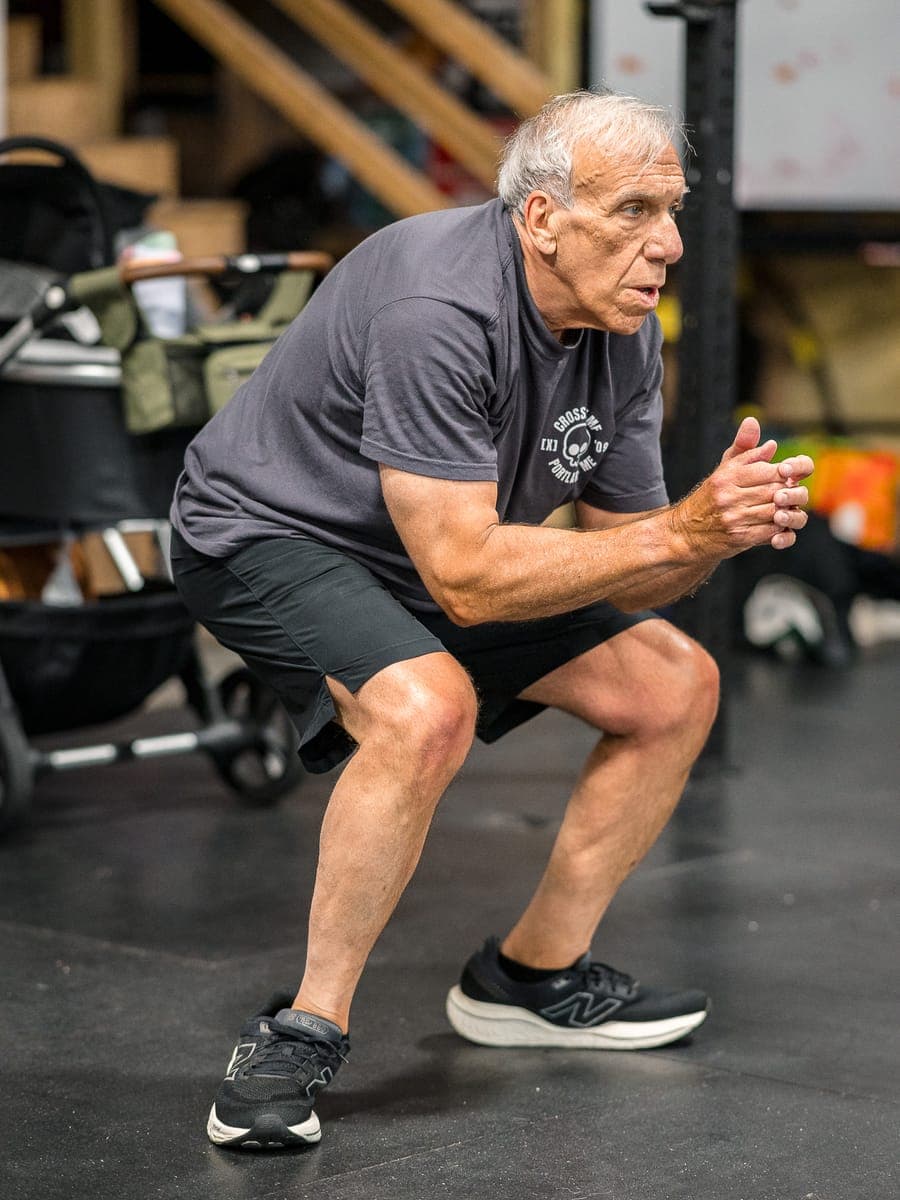
“The ability to maximize the range of motion at a given joint.”
At Misfit: Full range of motion first: depth and position before load, every time.
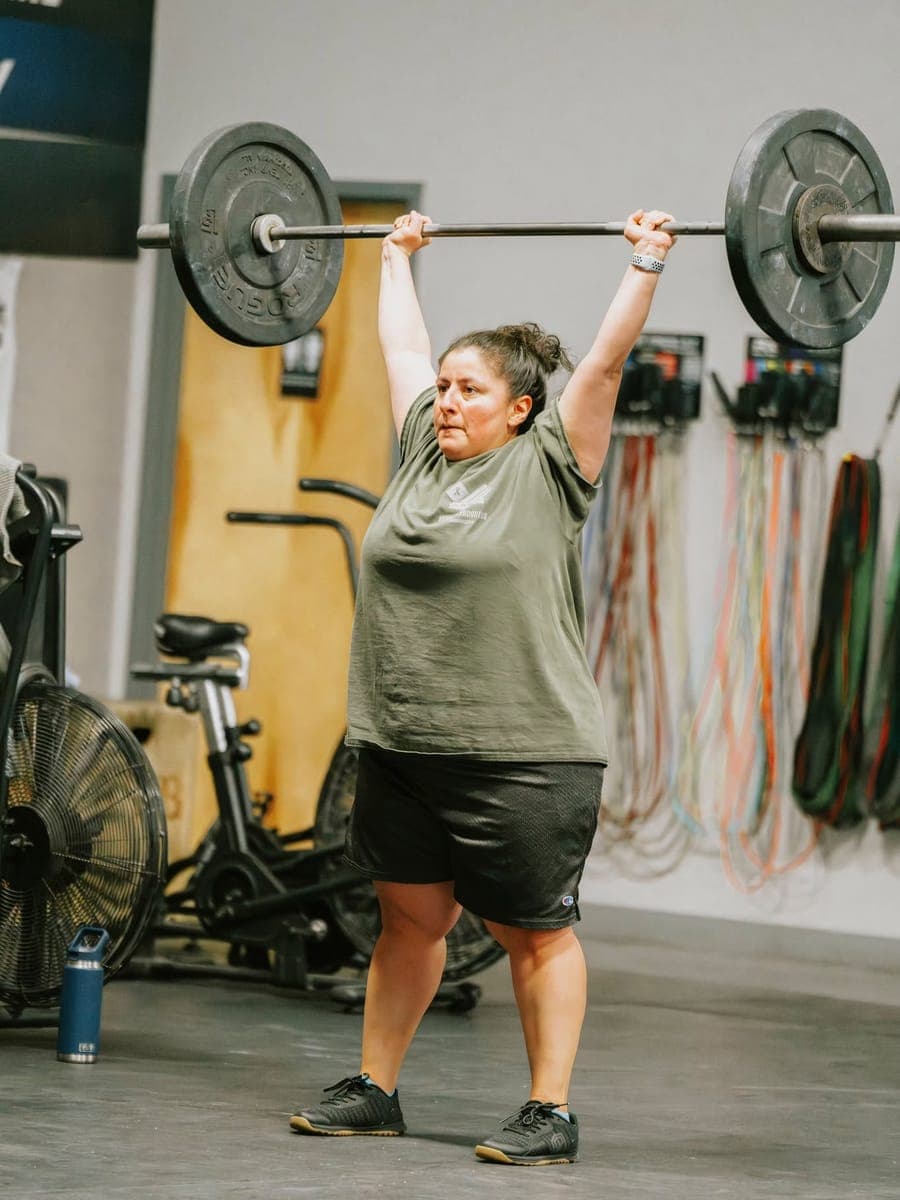
“The ability of a muscular unit, or combination of muscular units, to apply maximum force in minimum time.”
At Misfit: Olympic lifts and explosive movement: large loads, long distances, quickly.
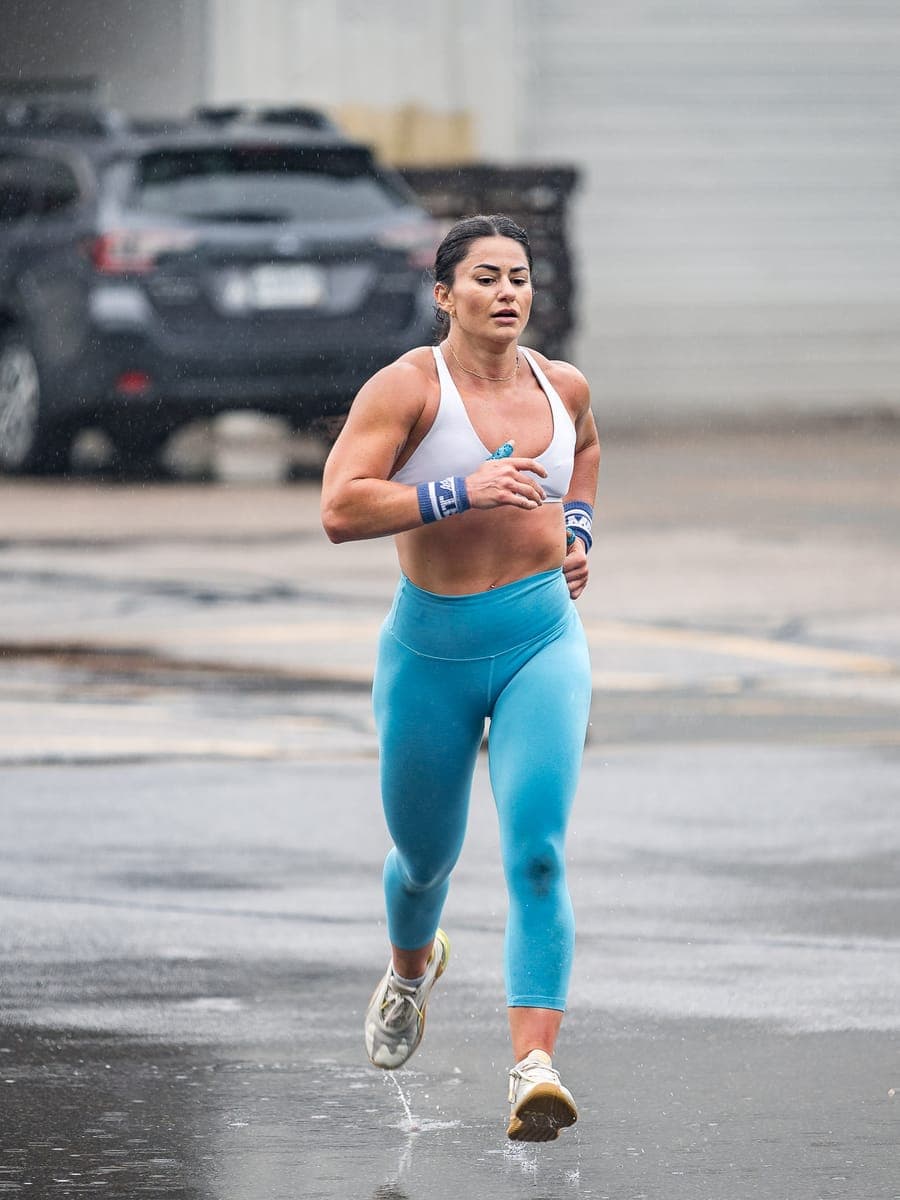
“The ability to minimize the cycle time of a repeated movement.”
At Misfit: Faster cycle times on the movements you've already earned the mechanics for.
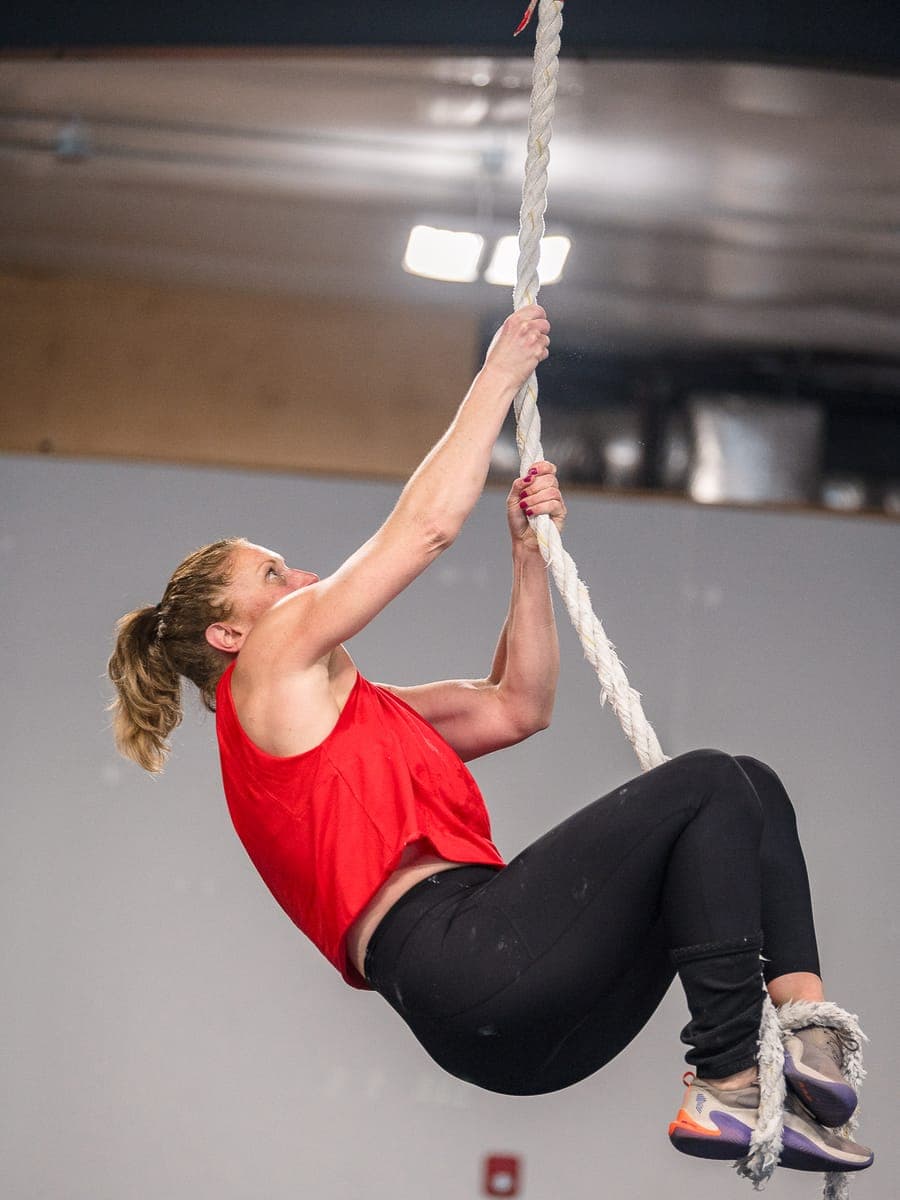
“The ability to combine several distinct movement patterns into a singular distinct movement.”
At Misfit: Double-unders, kipping, barbell timing: skill work built into every week.
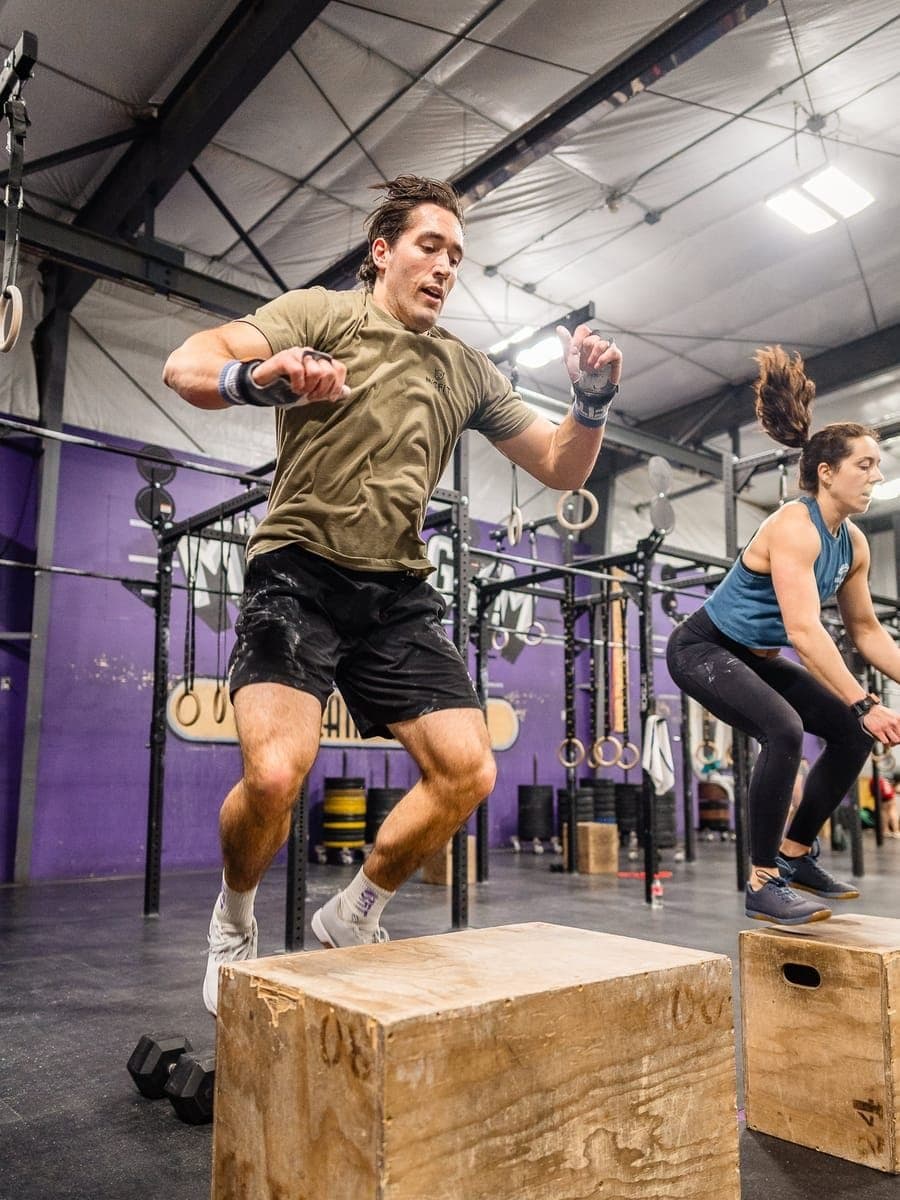
“The ability to minimize transition time from one movement pattern to another.”
At Misfit: Moving between stations, bars, and boxes without losing a beat.
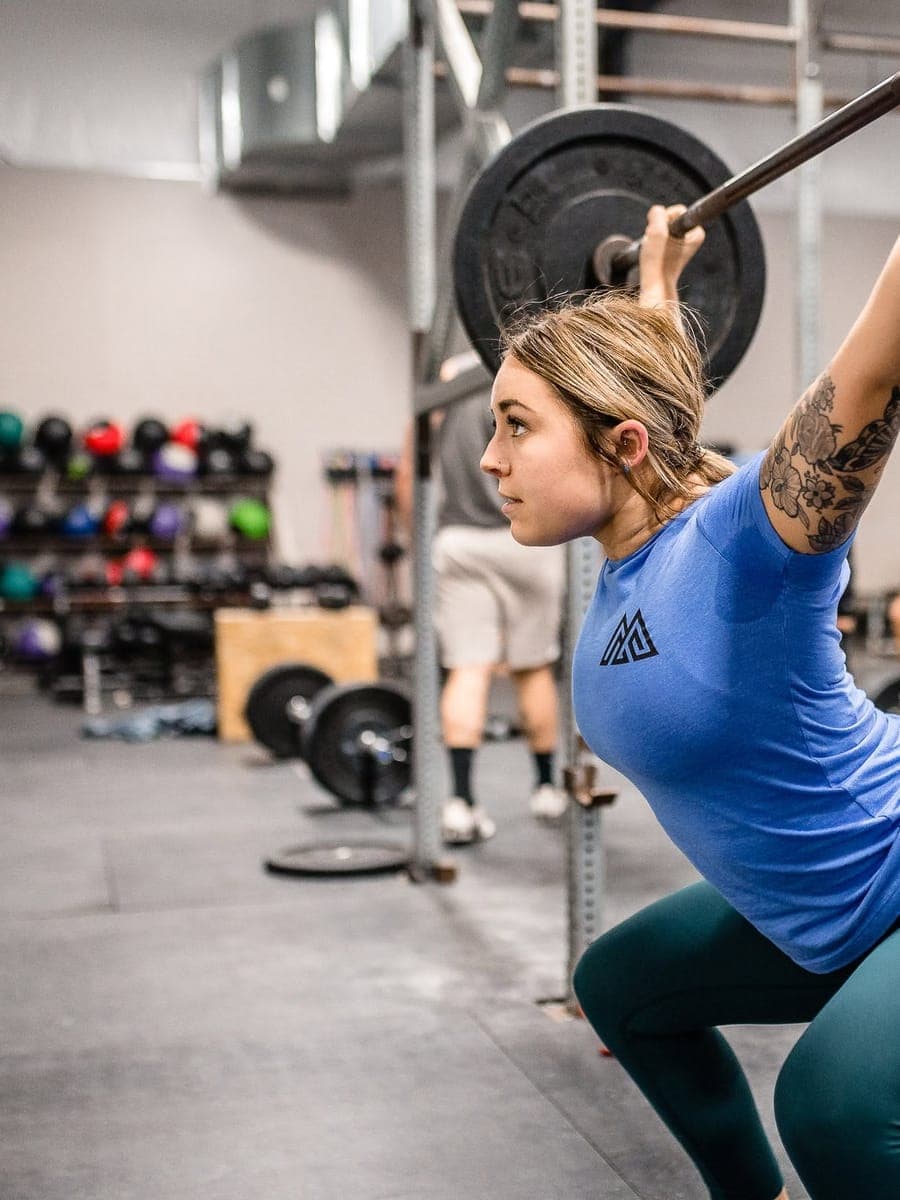
“The ability to control the placement of the body's center of gravity in relation to its support base.”
At Misfit: Handstands, single-leg work, and every overhead position you'll ever hold.

“The ability to control movement in a given direction or at a given intensity.”
At Misfit: Wall balls to the target, box jumps to the mark: precision under fatigue.
Endurance
“The ability of the body's systems to gather, process, and deliver oxygen.”
At Misfit: Rowing, running, biking: long enough to matter, varied enough to never get stale.
Built through training
Stamina
“The ability of body systems to process, deliver, store, and utilize energy.”
At Misfit: Workouts that teach your engine to keep producing when the tank feels empty.
Built through training
Strength
“The ability of a muscular unit, or combination of muscular units, to apply force.”
At Misfit: Squat, deadlift, press: the lifts that make everyday life lighter.
Built through training
Flexibility
“The ability to maximize the range of motion at a given joint.”
At Misfit: Full range of motion first: depth and position before load, every time.
Built through training
Power
“The ability of a muscular unit, or combination of muscular units, to apply maximum force in minimum time.”
At Misfit: Olympic lifts and explosive movement: large loads, long distances, quickly.
Training + practice
Speed
“The ability to minimize the cycle time of a repeated movement.”
At Misfit: Faster cycle times on the movements you've already earned the mechanics for.
Training + practice
Coordination
“The ability to combine several distinct movement patterns into a singular distinct movement.”
At Misfit: Double-unders, kipping, barbell timing: skill work built into every week.
Built through practice
Agility
“The ability to minimize transition time from one movement pattern to another.”
At Misfit: Moving between stations, bars, and boxes without losing a beat.
Built through practice
Balance
“The ability to control the placement of the body's center of gravity in relation to its support base.”
At Misfit: Handstands, single-leg work, and every overhead position you'll ever hold.
Built through practice
Accuracy
“The ability to control movement in a given direction or at a given intensity.”
At Misfit: Wall balls to the target, box jumps to the mark: precision under fatigue.
Built through practice
1 of 10: Endurance
The Three Metabolic Pathways
Three engines. Being good at one of them is not the same as being fit.
Your body runs on three energy systems, and the goal is to be equally well developed in each. Very hard for a short period of time is the phosphagen pathway. Pretty hard for a medium duration is the glycolytic pathway. Very steady for a long duration is the oxidative pathway.
An athlete who can hammer bike sprints but struggles to run continuously for 3 miles needs to improve their oxidative energy system. An athlete who runs a sub 18-minute 5k but struggles to squat their bodyweight needs to improve their phosphagen system.
Sickness, Wellness, Fitness
The model that turns fitness into health, and the reason this gym exists.
The final model lets us account for the biological markers of your metabolic health. Every measurement you can take, blood pressure, body fat, bone density, triglycerides, sits somewhere on a single line running from sickness through wellness to fitness.
These measurements rarely exist on opposite ends of the spectrum. Someone who possesses significant body fat is unlikely to have excellent blood pressure. Someone who has high triglycerides is unlikely to possess the capacity to run a 7-minute mile.
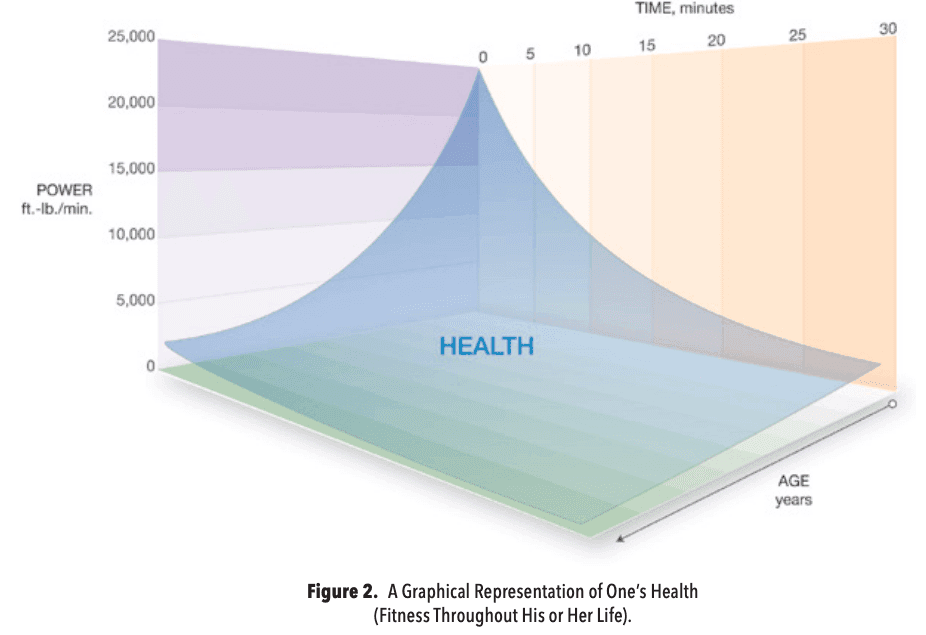
Measured on things like
- Blood pressure
- Body fat
- Bone density
- Triglycerides
- HDL cholesterol
- Glycated hemoglobin (HbA1c)
- Muscle mass
Closing words
The whole prescription, in 100 words
World-Class Fitness in 100 Words
Eat meat and vegetables, nuts and seeds, some fruit, little starch and no sugar. Keep intake to levels that will support exercise but not body fat.
Practice and train major lifts: Deadlift, clean, squat, presses, C&J, and snatch. Similarly, master the basics of gymnastics: pull-ups, dips, rope climb, push-ups, sit-ups, presses to handstand, pirouettes, flips, splits, and holds.
Bike, run, swim, row, etc, hard and fast.
Five or six days per week mix these elements in as many combinations and patterns as creativity will allow. Routine is the enemy. Keep workouts short and intense.
Regularly learn and play new sports.
Strength in Numbers
Enough reading. Come see it in person
You don't need to be in shape to start. That's what we're for.